Insights
Alliance Portfolio Events · Video
California Private Lending Compliance with Christopher Donovan
Doss Law attorney Christopher Donovan reviews California legal and compliance developments affecting private lenders, including business-purpose loan classification, usury, loan modifications, and foreclosure requirements.
Summary
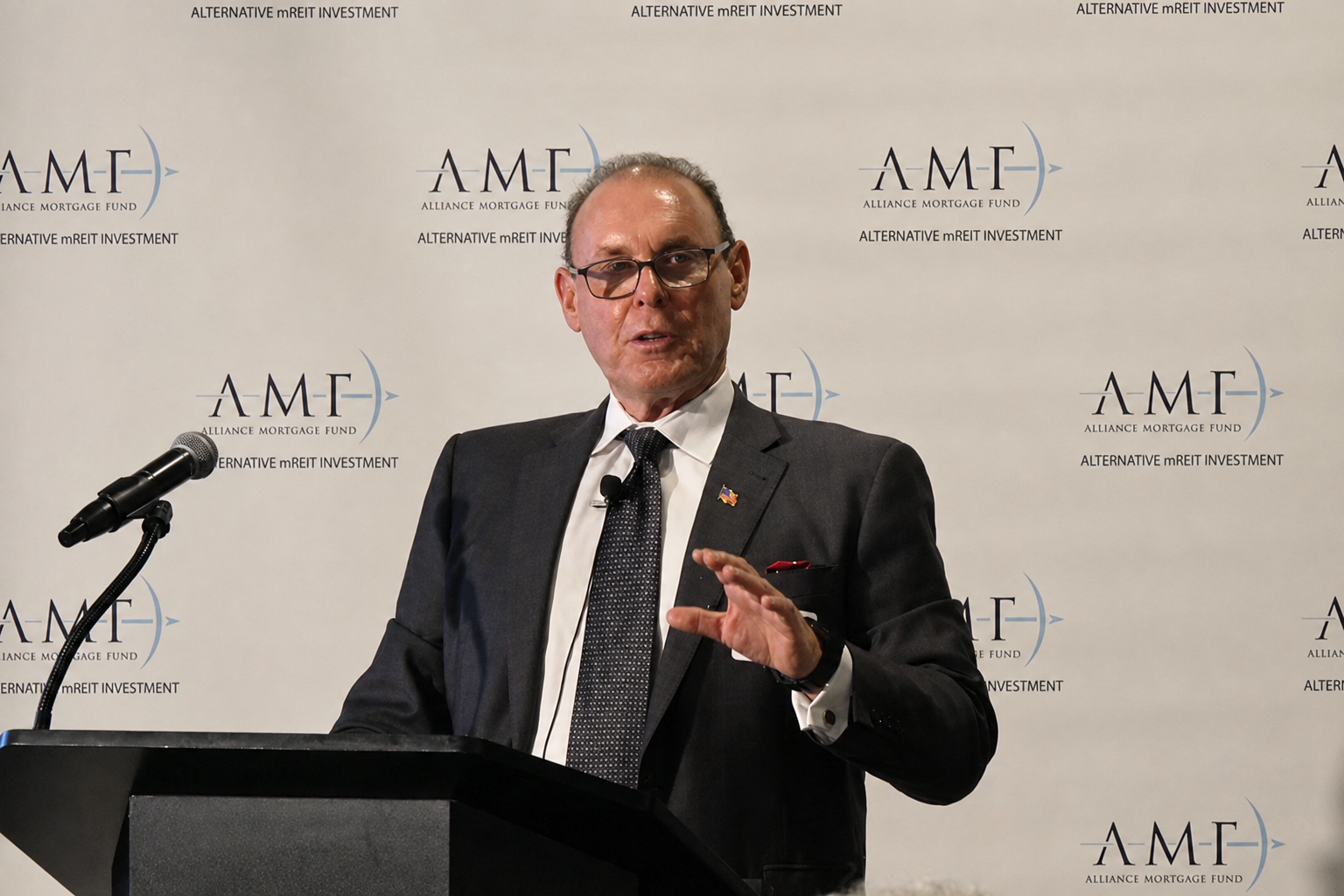
Christopher Donovan, a partner at Doss Law, joined Alliance Portfolio’s Alternative Investment Summit and 2025 Outlook to discuss legal and compliance developments affecting California’s private lending industry.
A substantial portion of the presentation focuses on the distinction between legitimate business-purpose lending and consumer lending. Donovan discusses the risks created when a loan is documented as business purpose even though the proceeds are primarily intended for personal, family, or household use. He also explains why lenders and brokers need to look beyond the borrower’s stated purpose and document how the proceeds will actually be used.
The presentation then turns to several other developments affecting private lending. Donovan discusses changes involving the treatment of loan modifications, extensions and forbearances under California’s usury framework, along with foreclosure-related requirements that may affect servicing timelines and procedures.
Throughout the presentation, Donovan emphasizes documentation and process. He discusses borrower purpose statements, supporting evidence, attorney involvement, recorded borrower interviews, loan-document requirements, and other practices intended to help lenders establish the facts behind a transaction before funding.
The presentation reflects the legal and regulatory environment being discussed in early 2025. Laws, regulations, interpretations and pending legislation may have changed since the recording.
Key takeaways
- Business purpose depends on substance, not simply the label on the documents.Donovan explains that lenders and brokers need to understand how loan proceeds will actually be used. Creating an entity or describing a transaction as business purpose does not by itself establish that the loan is genuinely for a business purpose.
- Documentation matters before the loan closes.The presentation discusses detailed borrower purpose statements, corroborating business documentation, attorney opinion letters and recorded borrower interviews as ways of documenting the facts surrounding a transaction.
- Refinancing existing debt requires understanding where that debt came from.Donovan describes the need to look through prior financing when determining whether a new loan is truly business purpose, rather than assuming the classification based solely on the new transaction.
- Extensions, modifications and forbearances can raise separate compliance issues.The presentation reviews a California usury issue involving an extension of an existing loan and discusses subsequent changes affecting how certain broker-arranged transactions may be modified, extended or placed into forbearance.
- Foreclosure rules can affect both timing and underwriting.Donovan discusses changes to California foreclosure procedures, including circumstances that may postpone a foreclosure sale. He notes that investors, lenders and servicers should understand how these requirements can affect timing and loan administration.
Sources & notes
- Recorded at Alliance Portfolio’s Alternative Investment Summit & 2025 Outlook (published March 2025). Historical event perspective; statements reflect conditions at the time of recording.
- Alliance Portfolio is a California private real estate lender, investment manager and loan servicer operating since 1996.
Educational content for general information only; not investment, legal or tax advice, and not an offer to sell or a solicitation of any security. This presentation is provided for educational and historical purposes only and does not constitute legal advice. Laws, regulations, court decisions and regulatory interpretations discussed in the recording may have changed since the presentation was recorded. On-camera figures are approved as historical statements (Sep 15, 2026) and are never modernized or silently replaced.